


ELECTRICAL INSPECTION & TESTING
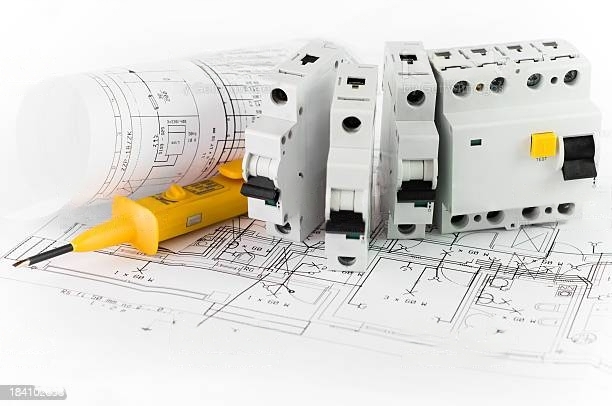
A regular Electrical Inspection and Condition Report (EICR), also known as “fixed wire testing” is an essential part of the safety of your property’s electrical wiring system assessment.
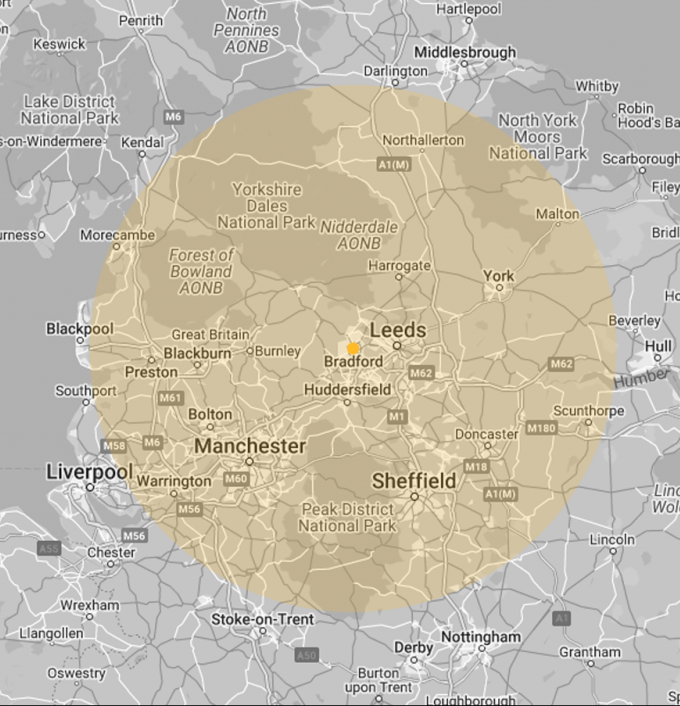
If you own or run a business, HMO, shop or commercial premises, it is a statutory requirement to have a valid Electrical Inspection Condition Report to comply with the Electricity at Work Regulations. This also applies to landlords who let houses, flats, bedsits or holiday homes. We take the stress out of electrical inspections and testing by offering a professional service in West Yorkshire and surrounding areas.
What is Electrical Inspection and Testing?
The purpose of an Electrical Inspection Condition Report is to check the safety and condition of the fixed wiring systems. The EICR is a formal comment on the condition of the electrical system in a building. For property managers, it is either proof that everything is in a ‘satisfactory’ condition, or it is a list of work that must be completed. Our team of NICEIC qualified inspectors are able to carry out the inspection, and complete any remedial work if it is required.

How Regularly is an Electrical Installation Inspection Needed?
The frequency of electrical inspections depends on the property use. The vast majority of installations are recommended to be tested and inspected at the latest every 5 years.
When the risk of shock or fire is higher, it is recommended that inspections are more frequent and an engineer may ask that this be carried out as examples below.
EVERY YEAR
Swimming pools, Launderettes, Petrol Stations, Saunas, Cinemas (front of house), Hospitals (medical areas)
EVERY 3 YEARS
Hotels, Theatres, Caravan Parks, Farms, Factories, and industrial buildings.
EVERY 5 YEARS
Offices, Hospitals (general areas), Schools, Shops, Community Centres, and Churches.
EVERY 5 YEARS (or change of tenancy)
Rental properties, HMO’s
EVERY 10 YEARS
Domestic houses, flats
This is not a complete list of property types, and there are some exceptions to these recommendations.
To be sure, contact Fire Protection Inspectors for guidance as more frequent inspections may be required due to the age of the installation, type of property, environmental conditions, misuse of the installation or change of use of the property.